
At a glance
- Customer
- Maharashtra Motor Vehicles Department, with Maharashtra Police
- Scale
- 69 interceptor vehicles, deployed statewide
- Product
- Mobile Traffic Enforcement System (MTES)
- Violations
- Overspeeding, no helmet, no seatbelt, triple riding, non-standard plates, expired documents
- Integration
- NIC, VAHAN and Sarathi for e-challan generation
Overview
The Maharashtra Motor Vehicles Department runs MTES on 69 interceptor vehicles across the state, with Maharashtra Police. Each vehicle detects violations on the move and sends the evidence for review and e-challan.
MTES needs no gantry or fixed tower. An interceptor can work on any road where violations happen.
The challenge
- 3.6 crore registered vehicles and 3 lakh km of roads to cover
- Manual enforcement caught only about 10% of violators
- Officers needed 15 to 30 seconds to process each violation
- Vehicles above 140 km/h were nearly impossible to catch
- The open boot of an interceptor warned violators from a distance
- Limited enforcement at night
The solution
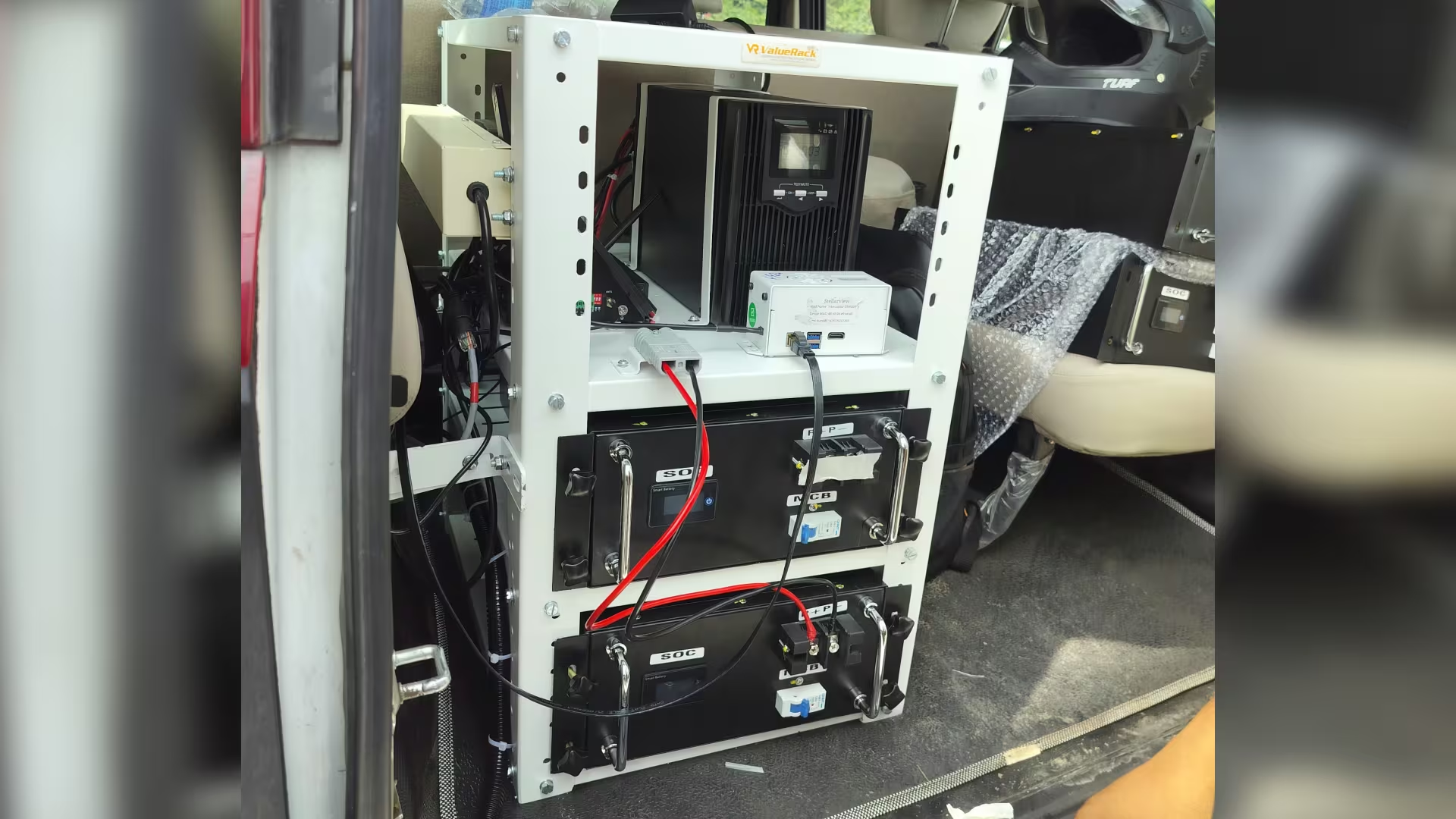
Each interceptor carries four components: a roof-mounted evidence camera with day and night IR, a 4D Doppler radar, a local processing unit and a network router. The system detects six violation types automatically and creates image and video evidence for each one.
How the deployment works
- The officer starts a session and GPS logs the location of the interceptor
- Level 1: the enforcement officer reviews each detection on the local dashboard
- Level 2: an RTO officer reviews and approves it on the cloud dashboard
- Approved violations go to NIC for e-challan, with VAHAN and Sarathi checks
- A central dashboard monitors all 69 vehicles in real time
Impact
69Interceptor vehicles
~10% → near 100%Detection rate
6Violation types detected at the same time
- Processing time went from 15 to 30 seconds per violation to real time
- Night operations went from limited to full IR support
- Enforcement moved from fixed towers to mobile vehicles
- Hierarchy-based validation gives accountability for every challan
Conclusion
MTES gave the Maharashtra Motor Vehicles Department automated, evidence-backed enforcement that moves with its fleet, from detection on the road to e-challan through NIC.